
remodeling guidance
Remodeling a 1990s "Particle Board Palace" in Macomb Township, Michigan: What to Expect and How to Get It Right
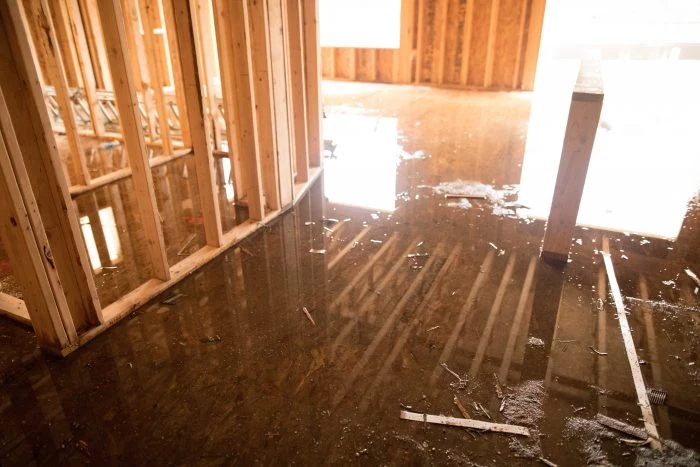
If you own a home in Macomb Township, Michigan, built in the 1990s, you might have heard the term "particle board palace" thrown around. It’s not exactly a flattering nickname, but it’s one that many local homeowners know all too well. These homes, churned out by production builders during the housing boom of that era, were built fast and, let’s just say, loose with the building codes. Back then, some inspectors weren’t exactly sticklers for quality, and the construction practices of the time reflect that. As remodelers with years of experience in Macomb Township, we’ve seen it all when it comes to these homes—and we’ve learned exactly what to expect when tackling a remodel.
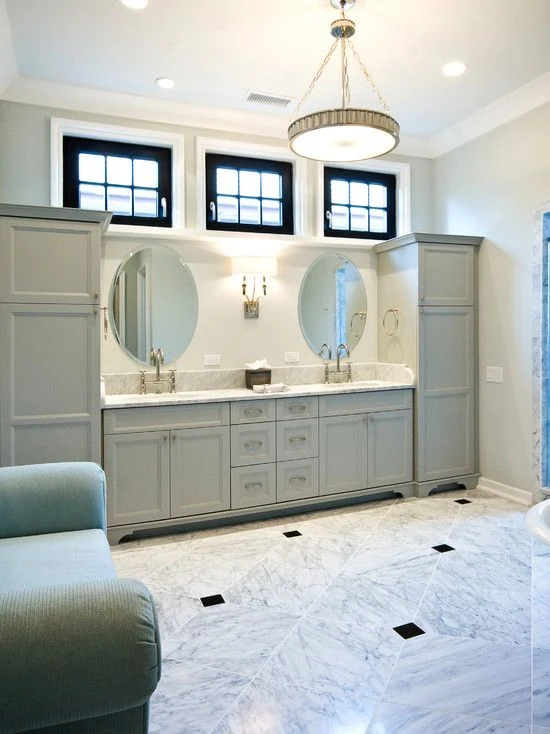
During this bathroom remodel we had to over come many of the problems discussed in this article. The projected is located in the Field Stone Estates on 22 Mile road & Yale drive.
This remodel features a stylish bathroom with a double vanity featuring a white marble countertop and light gray cabinetry with multiple drawers and cabinets. Two round mirrors are mounted above the sinks, accompanied by wall sconces for lighting. A elegant chandelier hangs from the ceiling, adding a touch of sophistication. The room has three black-framed windows above the vanity, allowing natural light to enter. The floor is covered with white marble tiles accented with black diamond-shaped inlays.
If you’re thinking about updating your 1990s home, whether it’s a kitchen refresh, a bathroom overhaul, or a full-gut renovation, you need to know what you’re up against. The good news? With the right approach, you can turn your particle board palace into a sturdy, beautiful space that stands the test of time. In this post, we’ll walk you through the three biggest problem areas we encounter in these homes—spongy subfloors, green board in showers, and inadequate waterproofing—and share our expert tips for fixing them properly.
The Backstory: Why "Particle Board Palaces"?
Before we dive into the nitty-gritty, let’s talk about why these homes earned their infamous nickname. In the 1990s, Macomb Township, like much of suburban Michigan, was growing fast. Production builders were racing to meet demand, slapping up houses as quickly as they could. To save time and money, they often used cheaper materials like particle board (or oriented strand board, OSB) for subfloors and relied on less-than-stellar construction practices. Building codes existed, but enforcement was spotty—some inspectors were, shall we say, a bit too cozy with builders. The result? Homes that looked shiny and new on move-in day but started showing their flaws a decade or two later.
As remodelers, we’ve worked on dozens of these homes, and the issues we find are remarkably consistent. Let’s break down the three biggest culprits and what you can do about them.
Problem #1: Spongy Subfloors from Water-Damaged OSB
One of the most common issues in Macomb Township’s 1990s homes is soft, spongy floors. If you’ve ever walked across your kitchen or bathroom and felt the floor give a little under your feet, you’re likely dealing with this problem. The culprit? Water-damaged OSB subflooring that was poorly protected during construction.
Back in the ‘90s, builders often left stacks of OSB exposed to the elements for weeks during construction. OSB, a type of engineered wood made from compressed wood strands, is rated for "Exposure 1," meaning it can handle getting wet once briefly without losing integrity. But in these particle board palaces, the OSB was rained on multiple times before the roof went up, causing it to swell, weaken, and degrade. Fast forward 20 or 30 years, and that damage shows up as bouncy, spongy floors.
Why is this a big deal? Spongy floors mean movement, and movement is the enemy of tile. If you install beautiful new porcelain or ceramic tiles over a compromised subfloor, the tiles will crack, grout will crumble, and your investment will be ruined. We’ve seen homeowners try to cut corners by laying new flooring over the old subfloor, only to end up with a mess that costs twice as much to fix later.
The Fix: In most cases, we recommend replacing the damaged subfloor entirely. This involves tearing out the old flooring, removing the compromised OSB, and installing new, high-quality plywood or modern OSB that meets today’s stricter standards. We also make sure to check the joists underneath for any water damage or rot, as those can compound the problem. Yes, it’s more work upfront, but it’s the only way to ensure a stable, long-lasting floor. If you’re tiling, we’ll add a cement backer board or uncoupling membrane to further prevent movement. Trust us—doing it right now saves you headaches (and dollars) down the road.
Problem #2: Green Board in Showers
Another classic issue in these 1990s homes is the use of green board (moisture-resistant drywall) as a backing for shower tiles. Green board was a go-to material back then because it was cheap and marketed as "moisture-resistant." But here’s the catch: moisture-resistant doesn’t mean waterproof. Over time, water seeps through grout lines or cracks in the tile, soaking into the green board. This leads to mold, rot, and crumbling drywall, which can ruin your shower and even damage the surrounding walls and floor.
We’ve torn out countless showers in Macomb Township homes and found soggy, moldy green board behind the tiles. It’s a ticking time bomb, especially in master bathrooms where daily showers put constant stress on the system. If your shower tiles are starting to feel loose or you notice discoloration in the grout, it’s a safe bet that green board is part of the problem.
The Fix: When remodeling a bathroom, we always remove green board and replace it with modern, waterproof materials like specialized waterproof tile backer board. These products are designed to handle constant water exposure without breaking down. We also use a waterproofing membrane, like a liquid-applied coating or sheet membrane, to create a sealed barrier behind the tile. This ensures that even if water gets through the grout, it won’t reach the substrate. It’s a small extra step that makes a huge difference in the longevity of your shower.
Problem #3: Inadequate Waterproofing in Bathrooms
Tied closely to the green board issue is a broader problem: inadequate waterproofing in bathrooms. In the 1990s, many builders skipped proper waterproofing altogether, relying solely on green board and basic caulk to keep water at bay. They also often failed to install proper shower pans or membranes, leaving floors and walls vulnerable to leaks. Over time, this leads to water damage, mold growth, and costly repairs.
In Macomb Township’s particle board palaces, we frequently find bathrooms where water has seeped into the subfloor or even the framing, causing rot and structural issues. If you’re noticing musty smells, warped baseboards, or soft spots near your tub or shower, poor waterproofing is likely to blame.
The Fix: Modern bathroom remodeling prioritizes waterproofing from the ground up. For showers, we install a sloped, waterproof shower pan custom-built to direct water to the drain. We also apply waterproofing membranes to walls and floors, extending them beyond the wet areas to create a fully sealed envelope. For tub surrounds or wet rooms, we use the same rigorous approach, ensuring every surface is protected. These steps add a bit to the upfront cost but prevent catastrophic damage that could cost tens of thousands to repair later.
Tips for Remodeling Your Macomb Township Home
If you’re ready to remodel your 1990s home, here are a few tips to ensure success:
• Hire a Local Expert like HomeWorks cgo Inc.: Choose a remodeler who knows Macomb Township’s particle board palaces inside and out. They’ll anticipate the common issues and have a plan to address them.
• Budget for the Unexpected: Subfloor replacement and waterproofing upgrades can add to the cost, so build a 5% contingency into your budget.
• Invest in Quality Materials: Skip the shortcuts of the ‘90s. Use plywood or modern OSB for subfloors, High Teck tile backer board for showers, and waterproofing systems for bathrooms.
• Plan for Disruption: Replacing subfloors or gutting bathrooms can be messy. Work with your remodeler to minimize inconvenience, like setting up a temporary bathroom elsewhere in the house.
• Think Long-Term: A proper remodel isn’t just about looks—it’s about fixing underlying issues so your home stays solid for decades.
Turning Your Particle Board Palace into a Forever Home
Remodeling a 1990s home in Macomb Township comes with its challenges, but it’s also an opportunity to create a space that’s beautiful, functional, and built to last. By addressing spongy subfloors, green board in showers, and inadequate waterproofing, you can transform your particle board palace into a home you’re proud to call yours. At HomeWorks cgo Inc. we’ve helped countless Macomb Township homeowners navigate these issues with confidence. Ready to get started? Give us a call, and let’s turn your vision into reality!
Thinking about your own project?
Explore our bathroom remodeling services or talk with our team about your space.
Talk with HomeWorks