
bathroom remodeling
Grout Has Grown Up: How Tile Grout Has Evolved Over the Last 20 Years
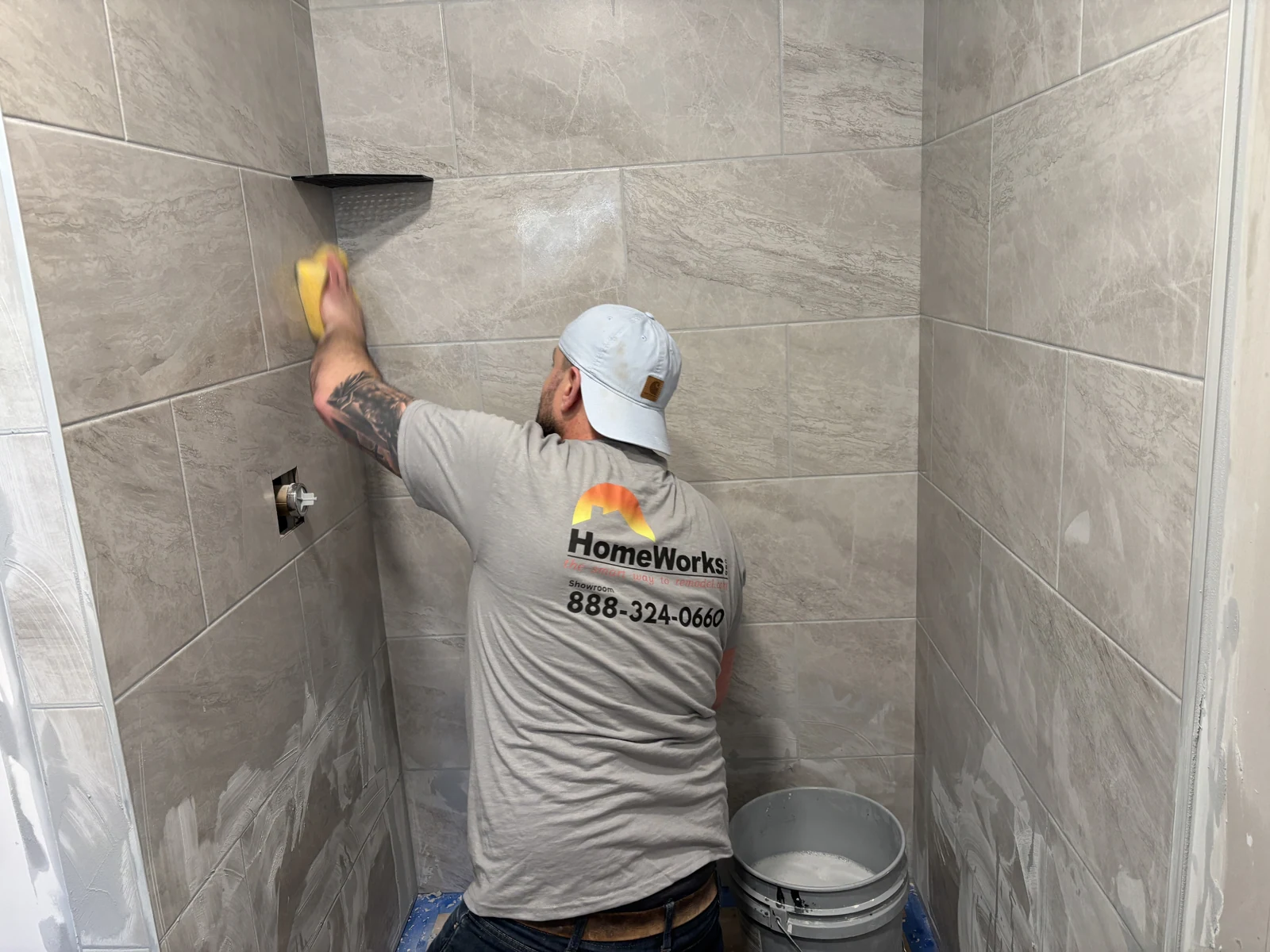
When you think of tile grout, it might not seem like the most exciting topic—until you’ve had to clean moldy lines in a shower or watched it crack and crumble in your kitchen. But over the past two decades, grout has quietly undergone a serious glow-up. Thanks to major advances in materials and technology, today’s grouts are smarter, tougher, and better-looking than ever.
Let’s take a walk down memory lane and see how grout has transformed from a basic building material into a high-performance, low-maintenance design essential.
1. Then vs. Now: What’s in the Grout?
20 Years Ago:
Cement-based grout was king. Made mostly from Portland cement, it got the job done, but it had its quirks—think cracking, staining, and needing regular sealing.
Today:
While cement-based grouts are still widely used (especially for more traditional applications), a whole new class of non-cement grouts has entered the scene. Epoxy, furan, and premixed polymer resin grouts are now available, each offering benefits that were practically unheard of two decades ago—like chemical resistance, water resistance, and even antimicrobial properties.
2. Built to Last (and Actually Stay Clean)
Back Then:
Traditional grout had a rough life. It absorbed water easily, was prone to mold and mildew, and staining was inevitable if you skipped sealing (or forgot to re-seal).
Now:
Modern grout formulations have leveled up in a big way:
• Stain Resistance: No more instant panic when wine or coffee hits the floor.
• Antimicrobial Additives: Help keep mold and mildew at bay, especially in showers and wet rooms.
• Strength & Flexibility: Additives in newer cement-based grouts reduce cracking and improve durability.
• Low Maintenance: Epoxy and resin-based grouts don’t need sealing at all and clean up with ease.
3. Aesthetic Game: Stronger, Sleeker, Smarter
Then:
Grout joints were generally wider, and tile designs leaned more traditional. The grout itself was often just a background player.
Now:
Grout plays a bigger role in design:
• Slimmer grout joints (thanks to precise tile edges and better grout formulas) create a cleaner, modern look.
• With large-format tiles trending, we’re using less grout overall.
• And with more color options and a better finish, grout can now enhance the look of the space rather than just fill in the gaps.
4. Easier (ish) to Work With
Previously:
If you heard “epoxy grout,” you probably thought “nightmare to install.” It was sticky, unforgiving, and best left to the pros—mostly used in hospitals and commercial kitchens.
Today:
Manufacturers have made major improvements. Epoxy and polymer grouts have been reformulated for better workability, making them easier (though not foolproof) for experienced DIYers and contractors. That said, some of these advanced products still require a learning curve or specialized tools, so professional installation is often the way to go for best results.
So, What’s the Bottom Line?
Grout has come a long way from the chalky, crack-prone material it used to be. With today’s technology, you’ve got options that are:
• More durable
• Easier to clean
• Better looking
• And built to last
Whether you're remodeling your bathroom or laying down a new kitchen backsplash, choosing the right grout is no longer just about color. It’s about performance, maintenance, and longevity too.
So yes, grout might still be in the background—but it’s definitely no longer an afterthought.
Thinking about your own project?
Explore our bathroom remodeling services or talk with our team about your space.
Talk with HomeWorks