
bathroom remodeling
Complete Guide to Bathroom Remodeling Financing
This Guide to Bathroom Remodeling Financing outlines six financing options for bathroom remodels, with costs averaging $16,634-$32,579 and median spend at $18,975 in 2023 (up 15%). Methods: 1) Savings for debt-free small projects ($3,500-$20,000); 2) Equity loans/HELOCs for bigger ones ($7,000-$30,000) at 7.95%-11.60% APR (Dec 2024); 3) Personal loans ($1,000-$100,000, unsecured); 4) Credit cards with 0% promo APR (<$10,000 short-term); 5) FHA 203(k) for buy/renovate combos (up to $35,000+); 6) Unsecured improvement loans for flexible rates. Covers pros/cons, best fits, and factors like credit, equity, and 73.7% ROI, stressing smart budgeting.
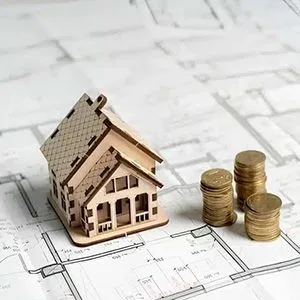
1. Personal Savings
Starting with the most straightforward approach, paying cash from your personal savings eliminates interest payments and debt obligations entirely. This method works particularly well for smaller projects or homeowners who have been systematically setting aside renovation funds. The Sweet Spot: Guest bathroom remodels can cost anywhere from $3,500–$20,000, making cash payments realistic for many modest renovations. If you've been planning your project for months or years, building a dedicated renovation fund can cover these costs without external financing. Advantages: No interest charges, no monthly payments, complete project control, and no impact on your credit utilization. You'll also have leverage when negotiating with contractors, as cash payments often secure better pricing and faster project timelines. Considerations: Depleting your emergency fund for renovations leaves you vulnerable to unexpected expenses. Financial advisors typically recommend maintaining 3-6 months of living expenses in accessible savings accounts before tackling major home improvements. Best For: Smaller bathroom updates, homeowners with substantial emergency funds beyond renovation costs, and those who prefer debt-free financing approaches.2. Home Equity Loan or HELOC
Your home's equity represents one of the most cost-effective financing sources for substantial bathroom renovations. Both home equity loans and home equity lines of credit (HELOCs) use your property as collateral, typically offering lower interest rates than unsecured alternatives. Home Equity Loans provide fixed interest rates and predictable monthly payments, ideal for homeowners who know their total project costs upfront. HELOCs function more like credit cards, offering flexible access to funds as needed during your renovation timeline. As of December 2024, variable rates for Home Equity Lines of Credit ranged from 7.95% APR to 11.60% APR, though rates vary based on credit scores, loan-to-value ratios, and credit limits. Advantages: Lower interest rates compared to personal loans and credit cards, potential tax deductibility for home improvement expenses, and substantial borrowing capacity based on home equity. Considerations: Your home serves as collateral, creating foreclosure risk if payments become unmanageable. HELOCs feature variable rates that can increase over time, and both options involve closing costs and appraisal fees. Best For: Primary bathroom remodels ranging from $7,000–$30,000, homeowners with significant equity, and those seeking lower interest rates for larger projects.3. Personal Loans
Personal home improvement loans offer a middle ground between convenience and cost-effectiveness. These unsecured loans don't require collateral, making them accessible to homeowners without substantial equity or those preferring not to leverage their property. Most lenders offer loan amounts from $1,000 to $50,000, though some let you borrow up to $100,000, providing flexibility for various project sizes. The application process is typically streamlined, with many lenders offering same-day approvals and funding within a week. Interest Rate Reality: Personal loan rates vary significantly based on credit scores, debt-to-income ratios, and lender policies. Borrowers with excellent credit may secure rates competitive with home equity options, while those with fair credit face substantially higher costs. Advantages: No collateral requirements, fixed interest rates and payment terms, quick approval processes, and no restrictions on fund usage during renovation timelines. Considerations: Higher interest rates than secured loans, loan amounts may be insufficient for extensive renovations, and unsecured debt can impact future borrowing capacity. Best For: Mid-range bathroom renovations, homeowners without substantial equity, and those seeking predictable payment schedules without property risk.4. Credit Cards (with a Plan)
Credit card financing requires careful strategy but can work effectively for specific renovation scenarios. This approach works best when combined with promotional offers, rewards programs, or as a short-term bridge until other financing becomes available. Strategic Applications: Many contractors accept credit cards, and some homeowners leverage 0% introductory APR periods to finance renovations interest-free for 12-21 months. Others use rewards credit cards to earn cash back or travel points on substantial renovation expenses. The Promotional Game: Balance transfer cards offering 0% APR periods can provide temporary financing relief, though balance transfer fees typically range from 3-5% of transferred amounts. Advantages: Immediate funding availability, potential rewards earnings, short-term 0% APR promotions, and flexibility in payment timing during renovation phases. Considerations: High interest rates after promotional periods end, potential negative impact on credit utilization ratios, and the discipline required to pay balances before promotional rates expire. Best For: Smaller bathroom updates under $10,000, homeowners with excellent credit and promotional offers, and those with clear payoff strategies within promotional periods.5. FHA 203(k) Loan
The Federal Housing Administration's 203(k) loan program combines home purchase or refinancing with renovation funding in a single mortgage. This specialized program works particularly well for homeowners purchasing fixer-uppers or those seeking to refinance while funding major renovations. Two Program Varieties: Standard 203(k) loans handle extensive renovations exceeding $35,000, while Limited 203(k) loans cover smaller improvements up to $35,000. Both programs require FHA-approved contractors and detailed renovation plans before loan approval. The Process: Borrowers work with specialized lenders familiar with 203(k) requirements, submit renovation plans and contractor estimates, and receive funds through a controlled disbursement process as work progresses. Advantages: Single loan covering purchase and renovation costs, competitive mortgage interest rates, lower down payment requirements than conventional loans, and professional oversight ensuring quality work completion. Considerations: Complex application processes, FHA-approved contractor requirements, property eligibility restrictions, and mortgage insurance premiums increasing overall costs. Best For: Home purchases requiring immediate bathroom renovations, refinancing scenarios with major renovation plans, and homeowners comfortable with FHA program requirements and timelines.6. Unsecured Home Improvement Loans
Unsecured home improvement loans represent a specialized category within personal lending, specifically designed for renovation projects. These loans often feature more favorable terms than general personal loans while maintaining the convenience of unsecured financing. The number of single-family home improvement loans originated climbed to nearly 745,000 in 2022 before subsequently declining to 565,000 in 2023, indicating strong market demand despite economic uncertainties. Specialized Features: Many lenders offer home improvement loan programs with extended repayment terms, competitive rates for qualified borrowers, and streamlined applications requiring renovation estimates rather than detailed project plans. Market Positioning: These loans typically bridge the gap between high-interest credit cards and equity-based financing, offering reasonable rates without collateral requirements. Advantages: No collateral requirements, competitive rates for home improvements, flexible loan amounts, quick approval processes, and specialized customer service understanding renovation timelines. Considerations: Credit score requirements may be stringent, rates remain higher than secured alternatives, and loan terms may be shorter than traditional mortgages or equity lines. Best For: Homeowners seeking specialized renovation financing without property leverage, those with good credit seeking competitive unsecured rates, and borrowers preferring dedicated home improvement loan servicing.Making Your Decision
Choosing the right bathroom remodeling financing depends on your specific circumstances, project scope, and risk tolerance. With bathroom remodeling costs stretching between $16,634 to $32,579 on average, most homeowners benefit from exploring multiple financing options before committing to their renovation timeline. Consider these key factors: your available equity, credit score, desired project timeline, comfort with secured versus unsecured debt, and long-term financial goals. Remember that the JLC 2024 cost report estimates a return on investment of 73.7% for mid-range bathroom remodels, making strategic financing an investment in both comfort and property value. The most successful bathroom renovations combine realistic budgeting, appropriate financing choices, and quality contractor selection. Take time to compare offers from multiple lenders, understand all terms and conditions, and ensure your chosen financing aligns with your broader financial strategy. Your dream bathroom is achievable with the right financing approach. By understanding these six options and their respective advantages, you're equipped to make informed decisions that transform your space without compromising your financial wellbeing.Sources
- This Old House - Bathroom Remodel Cost Analysis and ROI Statistics (2024)
- Joint Center for Housing Studies, Harvard University - Home Renovation Spending Trends ($485 billion projected 2024 spending)
- Tomco Solutions - Average Bathroom Remodeling Cost Analysis (2024)
- Remodel Inspo - Median Bathroom Remodel Spending Growth Statistics (2023-2025)
- Bankrate - Home Improvement Loan Amounts and Rate Analysis (2025)
- U.S. Bank - Home Equity Line of Credit Rate Ranges (December 2024)
- Construction Coverage - Home Improvement Loan Origination Data via Home Mortgage Disclosure Act (2022-2023)
- JLC (Journal of Light Construction) - 2024 Cost Report and ROI Analysis
Thinking about your own project?
Explore our bathroom remodeling services or talk with our team about your space.
Talk with HomeWorks