
bathroom remodeling
How Common Are Tub to Shower Conversions? The Growing Trend Transforming Bathrooms
This article explores the rising popularity of tub to shower conversions, examining the factors driving this trend including an aging population, increased mobility challenges, and the desire for modern, accessible bathroom designs. We'll look at relevant statistics, regional demand patterns, and why these bathroom renovations have become essential for many homeowners seeking safer, more functional spaces.
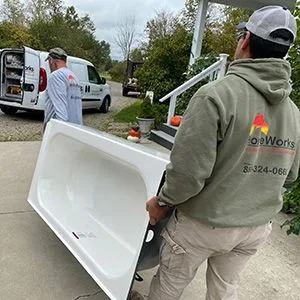
If you've been considering a bathroom remodel lately, you've probably noticed that tub to shower conversion projects are everywhere. From your neighbor's recent renovation to those stunning before-and-after photos flooding social media, it seems like everyone is trading their traditional bathtubs for sleek, accessible showers. But just how common has this trend become, and what's driving so many homeowners to make the switch?
The numbers tell a compelling story. Across the United States, bathroom contractors are reporting that shower installation requests now significantly outnumber traditional tub installations in renovation projects. This shift isn't just about aesthetics it's about creating spaces that work better for real life.
The Safety Revolution in Bathroom Design
Let's face it: traditional bathtubs can be downright dangerous. That high wall you need to step over might not seem like much when you're young and agile, but it becomes a serious obstacle as we age or face mobility challenges. The Centers for Disease Control and Prevention reports that more than 235,000 people over 15 years old visit emergency rooms each year due to injuries that occur in the bathroom, with many of these accidents happening while getting in or out of bathtubs. This reality has sparked what many industry experts call a "safety revolution" in bathroom renovation. Walk-in showers and barrier-free shower designs eliminate the dangerous step-over required with traditional tubs, featuring low or zero thresholds that anyone can navigate safely. Add grab bars, non-slip surfaces, and built-in seating options, and you've got a bathing space that prioritizes both safety and comfort.The Numbers Behind the Movement
The surge in tub to shower conversions isn't happening in a vacuum—it's directly connected to some significant demographic and health trends. Consider these eye-opening statistics: Aging Population Impact:- Over 61 million American adults currently live with at least one disability
- By 2030, all baby boomers will be over 65 years old
- The 65-and-older population is projected to nearly double from 46 million today to over 94 million by 2060
- Approximately 790,000 total knee replacement surgeries are performed
- Between 450,000 and 498,000 hip replacement procedures take place
- Recovery from these surgeries often requires avoiding high steps for weeks or months
Regional Spotlight: Southeast Michigan's Conversion Boom
Southeast Michigan has become a particularly hot market for these bathroom transformations. Communities like Macomb Township, Clinton Township, Shelby Township, Rochester, and New Baltimore are seeing unprecedented demand for accessible shower installations. What makes this region unique? Several factors are converging: Demographics: Macomb County's population trends tell the story. With 72.62% of households without children and a growing number of residents over 65, the community is clearly aging in place. These homeowners want to modify their homes to accommodate changing needs rather than relocate. Housing Stock: Much of Southeast Michigan's housing was built during the mid-20th century boom, meaning many homes feature traditional tub-shower combinations that no longer meet residents' needs. This creates a perfect storm of demand for bathroom remodeling projects. Community Focus: Local townships have embraced aging-in-place initiatives, with many connecting directly with homeowners' associations to promote safety-focused home improvements. This community support has helped normalize conversations about accessible bathroom design.Beyond Safety: The Style Factor
While safety drives many conversion decisions, let's not underestimate the aesthetic appeal of modern shower designs. Today's walk-in showers offer sleek, spa-like experiences that simply weren't possible with traditional tub-shower combinations. Open shower designs make bathrooms feel more spacious a huge plus in homes where square footage is at a premium. Glass enclosures create visual continuity, while tile choices can transform an ordinary bathroom into a luxurious retreat. Many homeowners find that their new showers become the focal point of their bathroom renovation, elevating the entire space's look and feel. There's also the practical consideration of daily use. Most adults take showers far more frequently than baths, making a dedicated shower space more functional for everyday life. When was the last time you actually soaked in your tub? For many families, the bathtub serves primarily as a catch-all for laundry or storage hardly the best use of valuable bathroom real estate.The Investment Perspective
From a financial standpoint, tub to shower conversions often make sense for homeowners planning to stay in their homes long-term. While the upfront cost varies depending on the scope of work, many homeowners find that the improved functionality and peace of mind justify the investment. It's worth noting that real estate experts generally recommend keeping at least one bathtub in the home if possible, particularly for families with young children or for resale considerations. However, in homes with multiple bathrooms, converting the master bathroom to a walk-in shower while maintaining a tub elsewhere often provides the best of both worlds.Looking Forward: A Trend That's Here to Stay
All indicators suggest that tub to shower conversions will continue growing in popularity. As our population ages and awareness of accessible design principles increases, more homeowners are proactively planning bathroom renovations that will serve them well into the future. Bathroom contractors report that what once was primarily a reactive decision often made after an injury or surgery is increasingly becoming a proactive choice. Homeowners in their 50s and 60s are choosing to make these modifications while they're still healthy and mobile, recognizing that planning ahead is far easier than retrofitting during a time of need. The trend also reflects broader changes in how we think about home design. Universal design principles, which focus on creating spaces usable by people of all ages and abilities, are moving from specialized accessibility applications into mainstream home improvement. Today's tub to shower conversions often incorporate these principles from the start, creating beautiful, functional spaces that work for everyone.Making the Right Choice for Your Home
If you're considering a tub to shower conversion, you're certainly not alone. This bathroom renovation trend shows no signs of slowing down, driven by a combination of practical needs, safety concerns, and design preferences that resonate with homeowners across age groups. The key is working with experienced bathroom contractors who understand both the technical requirements and design possibilities of modern shower installation. Whether you're motivated by immediate accessibility needs, long-term planning, or simply the desire for a more functional and beautiful bathroom, a well-executed conversion can transform both your daily routine and your home's value. As we've seen, tub to shower conversions have evolved from a niche accessibility modification to a mainstream bathroom remodel choice. With demographic trends supporting continued growth and design innovations making these spaces more beautiful than ever, it's clear that this renovation trend reflects not just changing preferences, but changing needs for how we live in our homes.Sources
- Centers for Disease Control and Prevention. "Web-based Injury Statistics Query and Reporting System (WISQARS)." National Center for Injury Prevention and Control.
- U.S. Census Bureau. "2019 American Community Survey 5-Year Estimates." Tables on Disability Characteristics and Age Demographics.
- American Academy of Orthopaedic Surgeons. "Total Knee Replacement." OrthoInfo Patient Education.
- American Joint Replacement Registry. "2020 Annual Report on Hip and Knee Arthroplasty Data."
- U.S. Census Bureau. "Projected Age Groups and Sex Composition of the Population: Main Projections Series for the United States, 2017-2060."
- Michigan Department of Health and Human Services. "Michigan Behavioral Risk Factor Surveillance System (MiBRFSS)."
- Macomb County Planning and Economic Development. "Community Demographics and Housing Analysis, 2020."
- National Association of Home Builders. "Aging in Place: A Study of Home Modifications and Universal Design Features." Housing Economics.
- Remodeling Magazine. "2023 Cost vs. Value Report: Bathroom Renovation Trends."
- National Kitchen & Bath Association. "Design Trends Study: Bathroom Design and Accessibility Features, 2023."
Thinking about your own project?
Explore our bathroom remodeling services or talk with our team about your space.
Talk with HomeWorks