
kitchen remodeling
Kitchen Contractors Near Me: Understanding Licenses, Insurance, Certifications
Hiring the right contractor for your kitchen remodel can make or break your project. This guide walks you through the essential credentials every reputable kitchen contractor should have, including proper licensing, comprehensive insurance coverage, and industry certifications. You'll learn what questions to ask, which red flags to watch for, and how to verify a contractor's qualifications before signing any contracts.
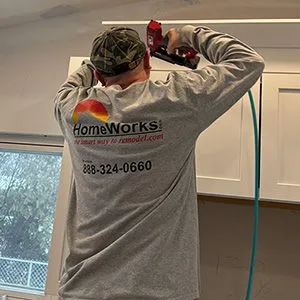
When searching for "kitchen contractors near me," you're probably feeling a mix of excitement and anxiety. A kitchen remodel is a huge investment, and choosing the right professional can mean the difference between your dream kitchen and a months-long nightmare. The good news? Understanding what credentials to look for makes the selection process a whole lot easier.
Why Credentials Actually Matter
Look, I get it. When you're browsing through contractor websites and seeing beautiful kitchen transformations, it's tempting to just pick the one with the prettiest portfolio. But here's the thing: those credentials and certifications aren't just bureaucratic red tape. They're your protection against shoddy work, legal headaches, and financial disasters. A properly licensed and insured contractor isn't just checking boxes. They're showing you they're serious about their business and committed to doing things right.The License Situation: It's Complicated (But Important)
Here's where things get interesting. Contractor licensing requirements vary wildly depending on where you live. Some states require general contractor licenses for any job over a certain dollar amount, while others have specific remodeling or home improvement licenses. A few states barely regulate contractors at all (which, honestly, should make you extra cautious). When you're planning your kitchen remodeling project, start by checking your state's contractor licensing board website. Most have searchable databases where you can verify if a contractor's license is current and in good standing. While you're there, look for any disciplinary actions or complaints. Past problems don't automatically disqualify someone, but they definitely deserve an explanation. Don't forget about specialty licenses either. If your kitchen design includes major electrical work or plumbing relocations, the contractor should either have those specific licenses or hire licensed subcontractors who do.Insurance: Your Safety Net
This is non-negotiable, folks. Any contractor working on your home should carry two types of insurance: general liability and workers' compensation. General liability insurance protects you if the contractor damages your property. Maybe they drop a cabinet on your hardwood floors or accidentally crack a window. Without insurance, you're stuck with the repair bill. With it, their insurance company handles it. Workers' compensation is equally important. If someone gets injured while working on your kitchen remodel near me, workers' comp ensures they're covered. Without it, an injured worker could potentially sue you as the homeowner. Yeah, it's as scary as it sounds. Here's the pro move: don't just take their word for it. Ask for certificates of insurance directly from their insurance company. Some contractors will show you expired policies or fake documents (it happens more than you'd think). A quick call to the insurance company listed on the certificate confirms everything's legit.Certifications That Actually Mean Something
While licenses and insurance are must-haves, certifications show a contractor goes above and beyond. They're investing time and money to stay current with industry best practices. The National Association of Home Builders (NAHB) offers the Certified Graduate Remodeler (CGR) designation, which is one of the most respected credentials in the remodeling industry. To earn this certification, contractors need significant experience, ongoing education, and must pass a rigorous exam. CGR professionals have demonstrated expertise in business management, customer service, and technical remodeling skills. It's especially valuable if you're doing a complex layout or working with a challenging space. The National Association of the Remodeling Industry (NARI) offers various certifications too. Their Certified Remodeling Contractor (CRC) designation requires experience, education, and passing a comprehensive exam. These aren't weekend courses; they require real commitment. Lead-safe certifications are crucial if you live in a home built before 1978. The EPA requires specific training for contractors working in older homes where lead paint might be present. This isn't optional it's federal law.Red Flags to Watch For
Sometimes what a contractor doesn't have tells you as much as what they do have. Be wary if:- They pressure you to pay large upfront deposits (30% is pretty standard; anything over 50% is suspicious)
- They can't or won't provide proof of insurance
- They don't have a physical business address
- They insist on cash-only payments
- They discourage you from pulling permits for work that clearly needs them
- Their license is from a different state and they're vague about local requirements
Questions to Ask Before Hiring
When you're interviewing contractors for your home works remodeling project, come prepared with questions:- What's your license number? (Then verify it yourself)
- Can I see your insurance certificates?
- How long have you been doing kitchen remodeling specifically?
- Can you provide references from projects completed in the last year?
- Who will be supervising the daily work?
- Do you pull permits, or do I need to?
- What certifications do you or your team members hold?
- How do you handle change orders and unexpected issues?
Verifying Everything (Because You Should)
Don't feel awkward about doing your homework. Reputable contractors respect clients who take this stuff seriously. Check online reviews, but read them carefully. One bad review among dozens of good ones isn't necessarily a deal-breaker. But patterns matter. If multiple people mention the same issues communication problems, going over budget, messy job sites pay attention. Ask to visit completed projects if possible. Some contractors maintain relationships with past clients who are happy to show off their kitchens. Seeing the work in person, years after completion, tells you a lot about quality and durability. Check with the Better Business Bureau, though take ratings with a grain of salt. Some excellent contractors have imperfect BBB ratings because they don't pay for membership. What matters more is how they respond to complaints.The Permit Question
This deserves its own section because it's so important. Many kitchen remodels require permits for electrical, plumbing, and structural work. Some homeowners and contractors try to skip this step to save time and money. Don't. Permits aren't just bureaucratic hassles. They ensure work meets safety codes and gets inspected by qualified officials. Unpermitted work can:- Create serious safety hazards
- Void your homeowner's insurance
- Complicate home sales (many buyers require permits for all major work)
- Result in fines and requirements to tear out completed work
What About Kitchen Design?
If you're doing a full kitchen remodel near me rather than just updating cabinets, you might work with a contractor who offers design services. Some companies, like those specializing in HomeWorks remodeling, provide comprehensive design-build services. Contractors with CGR certification bring expertise in space planning, project management, and the latest remodeling practices. They understand the workflow of a successful kitchen remodel and can help you avoid common layout mistakes. If your contractor offers kitchen design services, ask about their qualifications and certifications.Making the Final Decision
After checking licenses, verifying insurance, reviewing certifications, and interviewing contractors, you'll likely have a shortlist. At this point, trust your instincts about communication and compatibility. You'll be working with this contractor for weeks or months. Do they listen to your concerns? Return your calls promptly? Explain things clearly? Do you feel like they respect your input and budget? The cheapest bid isn't always the best value, and the most expensive isn't always the best quality. Look for the sweet spot: proper credentials, solid references, clear communication, and a fair price.Final Thoughts
Searching for "kitchen contractors near me" is just the first step. The real work is vetting candidates to find someone qualified, trustworthy, and right for your project. Yes, checking licenses and insurance takes time. So does verifying certifications and calling references. But here's the thing: spending a few hours on due diligence now can save you thousands of dollars and countless headaches down the road. Your kitchen remodel is a major investment in your home and your family's daily life. It deserves a contractor who's professional, qualified, and properly credentialed. Take your time, ask questions, and don't settle for someone who doesn't meet the mark. Your future kitchen and your peace of mind are worth it.Sources
- National Association of Home Builders (NAHB) - Certified Graduate Remodeler Program and Professional Standards (www.nahb.org)
- National Association of the Remodeling Industry (NARI) - Contractor Certifications and Best Practices (www.nari.org)
- U.S. Environmental Protection Agency - Lead-Safe Certification Requirements (www.epa.gov/lead)
- Better Business Bureau - Contractor Verification and Consumer Guidelines (www.bbb.org)
- National Association of State Contractors Licensing Agencies - State Licensing Requirements (www.nascla.org)
- Contractors State License Board - Licensing Verification and Consumer Protection Resources (various state-specific boards)
- Insurance Information Institute - Contractor Insurance Requirements and Homeowner Protection (www.iii.org)
Thinking about your own project?
Explore our kitchen remodeling services or talk with our team about your space.
Talk with HomeWorks